Unlocking Healing: Explore Our Reiki Services
- josephcunningham70
- Apr 25
- 5 min read

Reiki, a Japanese healing technique, has gained popularity in recent years as more people seek alternative methods to enhance their well-being. This holistic approach focuses on channeling energy to promote relaxation, reduce stress, and foster healing. In this blog post, we will explore the various aspects of our Reiki services, how they can benefit you, and what to expect during a session.

What is Reiki?
Reiki is a form of energy healing that originated in Japan in the early 20th century. The term "Reiki" translates to "universal life energy," which reflects the belief that this energy flows through all living things. Practitioners of Reiki use their hands to channel this energy, helping to restore balance and harmony within the body.
The Principles of Reiki
Reiki is based on five core principles that guide practitioners and clients alike:
Just for today, I will not be angry.
Just for today, I will not worry.
Just for today, I will be grateful.
Just for today, I will do my work honestly.
Just for today, I will be kind to every living thing.
These principles serve as a foundation for a mindful and peaceful life, encouraging individuals to focus on the present moment and cultivate positive energy.
Benefits of Reiki
Reiki offers a wide range of benefits for both physical and emotional well-being. Here are some of the most notable advantages:
Stress Reduction and Relaxation
One of the primary benefits of Reiki is its ability to induce deep relaxation. During a session, clients often experience a profound sense of calm, which can help alleviate stress and anxiety. This relaxation response can lead to improved sleep and a greater sense of overall well-being.
Pain Relief
Many individuals turn to Reiki as a complementary therapy for pain management. Research has shown that Reiki can help reduce pain levels in conditions such as arthritis, migraines, and chronic pain syndromes. By promoting relaxation and reducing tension, Reiki may help ease discomfort and enhance the body's natural healing processes.
Emotional Healing
Reiki can also support emotional healing by addressing issues such as grief, trauma, and anxiety. The gentle energy work encourages the release of negative emotions and promotes a sense of peace and acceptance. Clients often report feeling lighter and more balanced after a session.
Enhanced Well-Being
Regular Reiki sessions can contribute to an overall sense of well-being. Many clients find that they experience increased energy levels, improved mood, and a greater sense of clarity and focus. This holistic approach can complement other wellness practices, such as yoga and meditation.
What to Expect During a Reiki Session
If you're new to Reiki, you may wonder what to expect during a session. Here’s a step-by-step overview of the process:
Initial Consultation
Before your first session, you will typically have an initial consultation with your Reiki practitioner. This is an opportunity to discuss your goals, any specific concerns, and what you hope to achieve through Reiki. Your practitioner will also explain the process and answer any questions you may have.
The Healing Environment
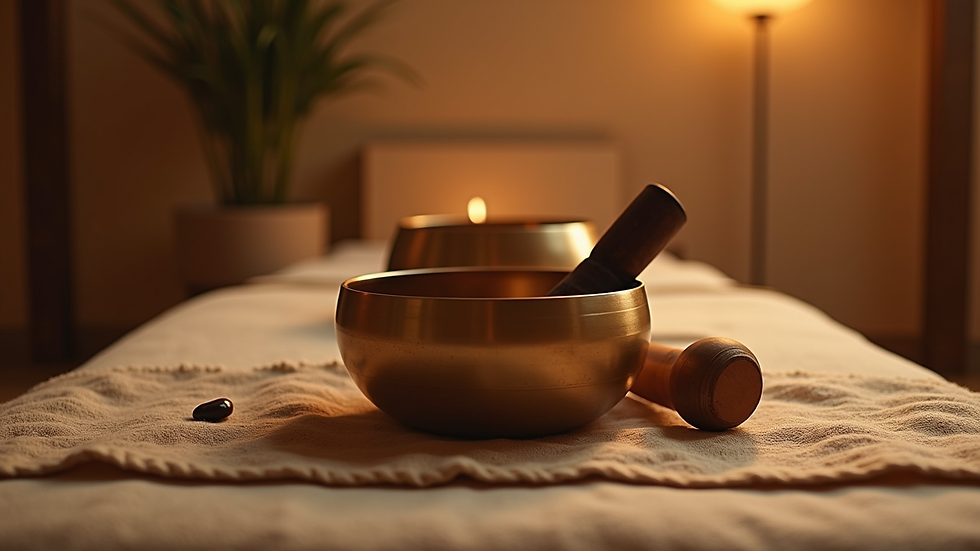
Reiki sessions are usually conducted in a calm and serene environment. Practitioners often create a soothing atmosphere with soft lighting, calming music, and comfortable furnishings. This setting is designed to help you relax and feel at ease.
The Session
During the session, you will lie down fully clothed on a massage table. Your practitioner will gently place their hands on or near your body, depending on your comfort level. You may feel sensations such as warmth, tingling, or a sense of deep relaxation as the energy flows.
Closing and Reflection
At the end of the session, your practitioner will guide you through a brief reflection period. This is a time to discuss your experience, any sensations you felt, and how you can integrate the benefits of Reiki into your daily life.
Different Types of Reiki
While the core principles of Reiki remain consistent, there are various styles and techniques that practitioners may use. Here are a few popular types of Reiki:
Usui Reiki
Usui Reiki is the most widely practiced form of Reiki and was developed by Mikao Usui in the early 20th century. This style focuses on channeling energy through hand placements and is often taught in levels or degrees.
Karuna Reiki
Karuna Reiki is a more advanced form of Reiki that incorporates additional techniques and symbols. It emphasizes compassion and healing for both the practitioner and the recipient, making it a powerful tool for emotional healing.
Tibetan Reiki
Tibetan Reiki combines traditional Reiki techniques with elements of Tibetan Buddhism. This style often includes the use of mantras and visualization to enhance the healing experience.
How to Prepare for Your Reiki Session
To get the most out of your Reiki experience, consider these tips for preparation:
Arrive Early
Arriving early allows you to settle in and relax before your session. Take a few moments to breathe deeply and clear your mind.
Wear Comfortable Clothing
Since you will remain fully clothed during the session, wear loose-fitting and comfortable clothing. This will help you feel at ease and allow for better energy flow.
Set an Intention
Before your session, take a moment to set a clear intention for what you hope to achieve. This could be anything from stress relief to emotional healing. Having a specific goal can enhance your experience.
Integrating Reiki into Your Life
Reiki is not just a one-time experience; it can be integrated into your daily life for ongoing benefits. Here are some ways to incorporate Reiki principles into your routine:
Practice Mindfulness
Mindfulness is a key component of Reiki. Take time each day to practice mindfulness through meditation, deep breathing, or simply being present in the moment. This can help you cultivate a sense of peace and balance.
Regular Sessions
Consider scheduling regular Reiki sessions to maintain your well-being. Many clients find that consistent sessions help them stay grounded and connected to their inner selves.
Self-Reiki
You can also learn self-Reiki techniques to practice at home. This involves using hand placements on yourself to channel energy and promote healing. Many practitioners offer workshops or classes to teach these techniques.
Testimonials from Our Clients
Hearing from others who have experienced Reiki can provide valuable insights. Here are a few testimonials from our clients:
Sarah, 34: "After my first Reiki session, I felt an overwhelming sense of peace. It was as if a weight had been lifted off my shoulders. I now make it a regular part of my wellness routine."
James, 45: "I was skeptical at first, but Reiki has truly changed my life. I’ve noticed a significant reduction in my anxiety levels, and I feel more connected to myself."
Emily, 29: "The emotional healing I experienced through Reiki was profound. I was able to release feelings I had been holding onto for years. I highly recommend it to anyone seeking healing."
Conclusion
Reiki is a powerful tool for healing and well-being. By exploring our Reiki services, you can unlock the potential for relaxation, pain relief, and emotional healing. Whether you're new to Reiki or have experienced it before, our practitioners are here to support you on your journey to wellness.
Take the first step towards a more balanced and harmonious life by booking your Reiki session today. Embrace the healing energy that awaits you and discover the transformative benefits of Reiki.

Comments